Research Areas
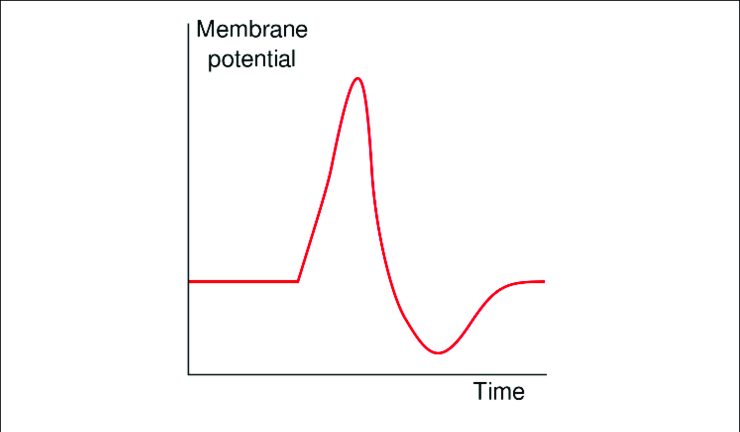
Several species of marine algae, which play a crucial role in global carbon cycling, have been shown to exhibit action potentials (similar to neuronal signalling in animals). Yet, the detailed mechanisms underlying this sophisticated behaviour remain poorly understood, as does its mysterious physiological function. Funded by a Human Frontier Science Program (HFSP) grant, we are collaborating with the McClenaghan lab at Rutgers University to investigate the electrophysiology of these fascinating organisms. Team: Lopez-Fujimaki (UCL), Zhang (UCL), Reich (Rutgers), McClenaghan (Rutgers).
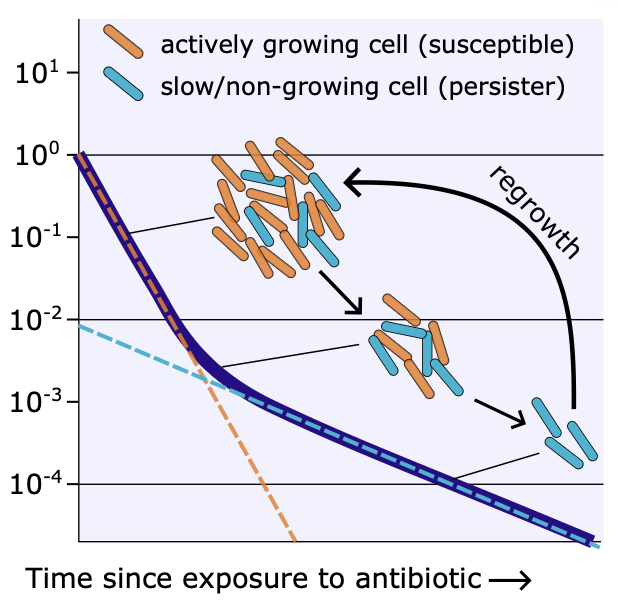
Bacterial populations always contain a small subpopulation of phenotypically distinct 'persister' cells that can tolerate lethal doses of antibiotics by slowing their growth. Far less well understood than antimicrobial resitance, persistance contributes to chronic and recurrent infections. Our research aims to unravel the physiological basis and population-level dynamics of antimicrobial persistence using a combination of advanced imaging, single-cell analysis techniques and mathematical modelling. Team: Barthwal (UCL), Blacker (UCL)
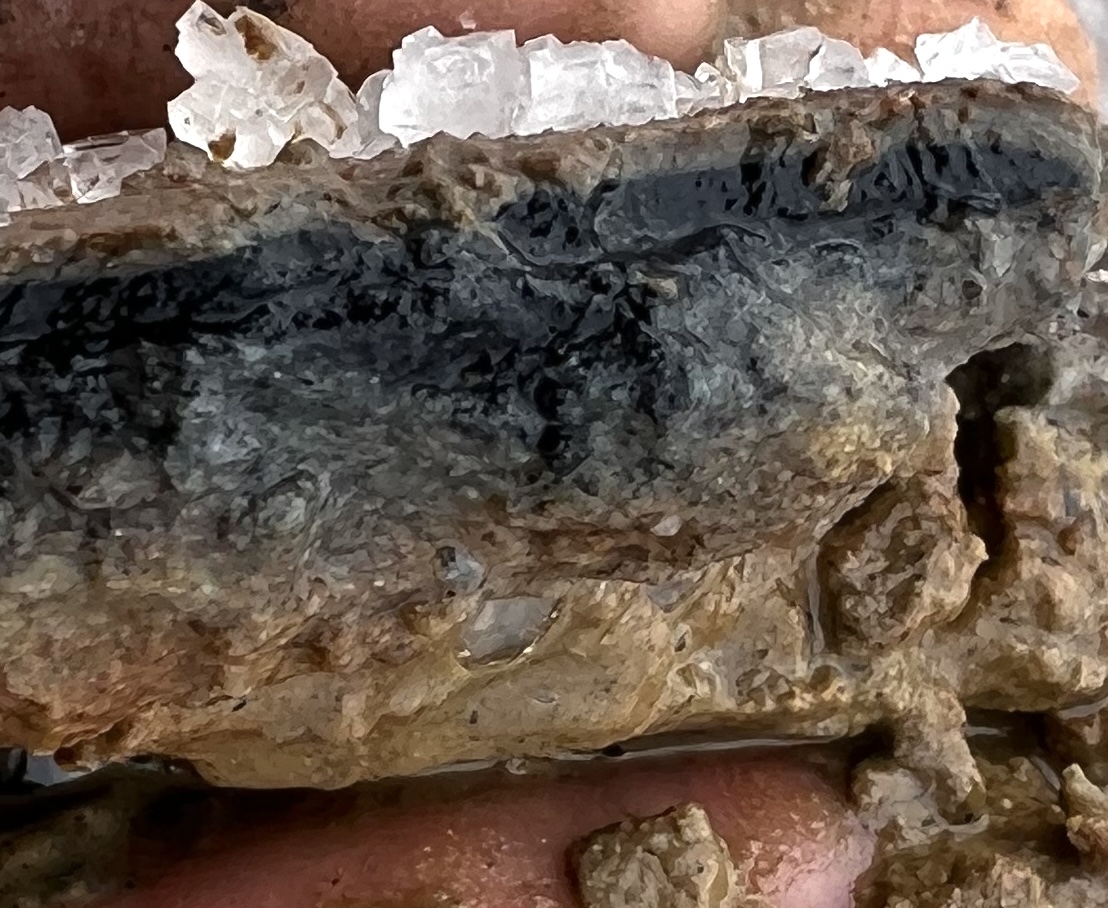
We are interested in how interactions between different microbial species give rise to emergent behaviours at the community level, such as enhanced resilience to environmental stressors or altered metabolic capabilities. By combining experimental studies with mathematical modelling, we aim to uncover the principles governing microbial community dynamics. Team: Ho (Birkbeck), McClelland (UCL).